

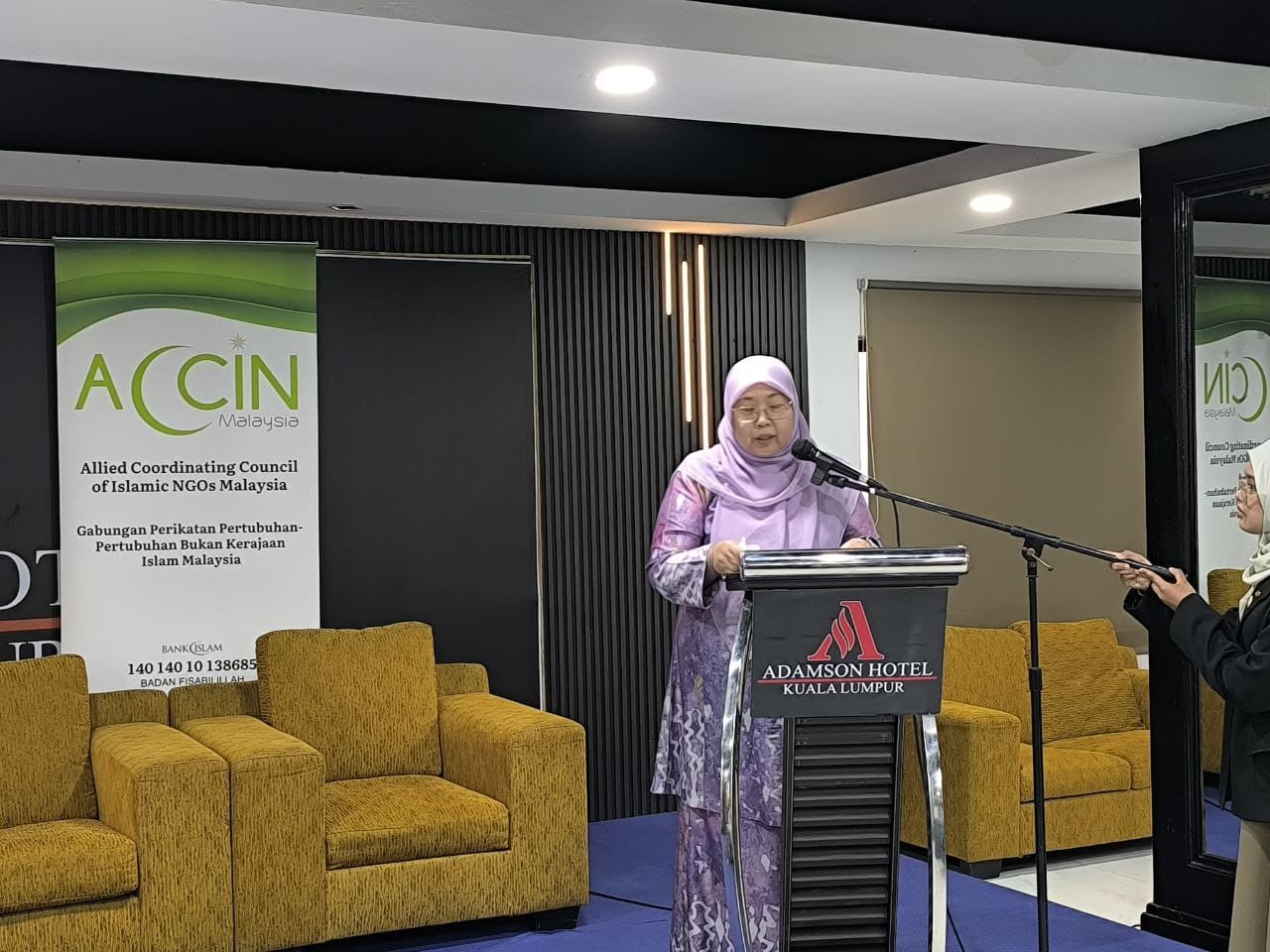
Officiating Speech: ASEAN Conference: The Family Institution in Light of a Rapidly Changing Technology and AI-driven World: Impact on Character, Moral and Values – by YB Senator Datuk Dr. Fuziah binti Salleh, Deputy Minister of Domestic Trade and Costs of Living.
Assalamualaikum warahmatullahi wabarakatuh, salam sejahtera, and a very good morning to all distinguished guests, respected scholars, esteemed representatives from ASEAN member states, civil society leaders, and participants of this important conference.
It is both an honour and a privilege for me to officiate this ASEAN Conference on the Family Institution in Light of a Rapidly Changing Technology and AI-driven World. I extend my deepest appreciation to the organisers, ACCIN, for their vision in convening us here today to deliberate on one of the most pressing issues of our time — the resilience of the family institution amidst globalisation, digitalisation, and the rise of Artificial Intelligence or AI.
The family is the cornerstone of society. It is within the family that values are nurtured, faith is cultivated, and character is formed. A strong family institution produces a harmonious, ethical, and resilient society. Yet, in this fast-paced era of globalisation, the widespread use of gadgets, and the unfettered flow of information — both positive and negative — the family institution faces unprecedented challenges. Communication methods have changed, parental roles are shifting, and social pressures are mounting. In this context, religion, moral values, and education are not merely important; they are indispensable in maintaining family stability.
Our first conference objective is to emphasise the close relationship between faith and family. Across ASEAN, despite our diversity, we share a common thread: faith and spirituality as guiding principles.
Religion teaches us compassion, respect, and responsibility. In Malaysia, Islam, alongside other faith traditions, has always emphasised filial piety, respect for elders, and the sanctity of marriage. These values are timeless, yet they must be reasserted in the face of modern challenges. When families are rooted in faith, they are better equipped to withstand external pressures. Faith provides moral clarity in a world where information is abundant, but wisdom is scarce. It reminds us that technology must serve humanity, not dominate it.
The second objective of this conference is to discuss moral values as the foundation of family harmony. We must acknowledge the realities:
In Malaysia, divorce rates are rising, particularly among young couples, often linked to economic pressures and poor communication exacerbated by social media.
Parenting challenges are intensifying, with children exposed to uncensored digital content, leading to issues such as sexual promiscuity, bullying, violence, and even tragic cases of suicide.
Cases of neglect of the elderly are increasing, reflecting a worrying decline in filial responsibility.
These are not isolated to Malaysia. Across ASEAN, similar trends are observed — declining marriage rates, low birth rates, and family separation due to migrant labour. Moral values must therefore be integrated into daily life, not just preached. Respect, patience, empathy, and responsibility must be lived out in our homes. Governments and NGOs have introduced initiatives — such as Malaysia’s Smart Start program, pre-marriage courses, and community interventions — but these must be complemented by personal commitment from families themselves.
The third objective is to explore the role of education in facing the challenges of the digital world and the emergence of AI. Education is not only about knowledge transfer; it is about character formation. In the age of AI, children and youth are exposed to vast amounts of information, often without guidance. Algorithms shape their worldview, sometimes more than parents or teachers.
We must therefore strengthen digital literacy, ethical education, and critical thinking. Schools must teach not only how to use technology, but how to question it, how to discern truth from falsehood, and how to uphold values amidst the noise. Malaysia and ASEAN must invest in holistic education — one that balances academic excellence with moral and spiritual development. Teachers, parents, and religious leaders must collaborate to ensure that technology enhances learning without eroding values.
Across ASEAN, we see both similarities and differences:
Shared cultural values emphasise respect for elders and family bonding.
Yet, globalisation and urbanisation have shifted lifestyles towards individualism.
Countries like Singapore and Thailand face declining fertility rates, while others grapple with family separation due to migrant labour.
This calls for regional cooperation. ASEAN must share best practices, strengthen pro-family policies, and support each other in addressing these challenges.
This conference, organised by ACCIN, is timely. It reminds us that the family institution cannot be left to chance. It requires deliberate effort, policy support, and community engagement. We must strengthen cooperation between religious institutions, educational institutions, civil society, and government authorities. Together, we can ensure that the family remains strong, relevant, and resilient in the face of technological change.
Ladies and gentlemen, the waves of globalisation and the rise of AI will continue to reshape our societies. But let us remember technology is a tool, not a destination. The true destination of our nations lies in the strength of our families. If we succeed in nurturing families grounded in faith, guided by moral values, and empowered by education, then ASEAN will not only withstand the challenges of modernity — it will thrive.
With that, I hereby officiate the ASEAN Conference on the Family Institution in Light of a Rapidly Changing Technology and AI-driven World. May our deliberations today generate ideas, policies, and actions that strengthen families and build a harmonious society for generations to come.
Thank you. Wabillahi taufiq wal hidayah, wassalamualaikum warahmatullahi wabarakatuh.