

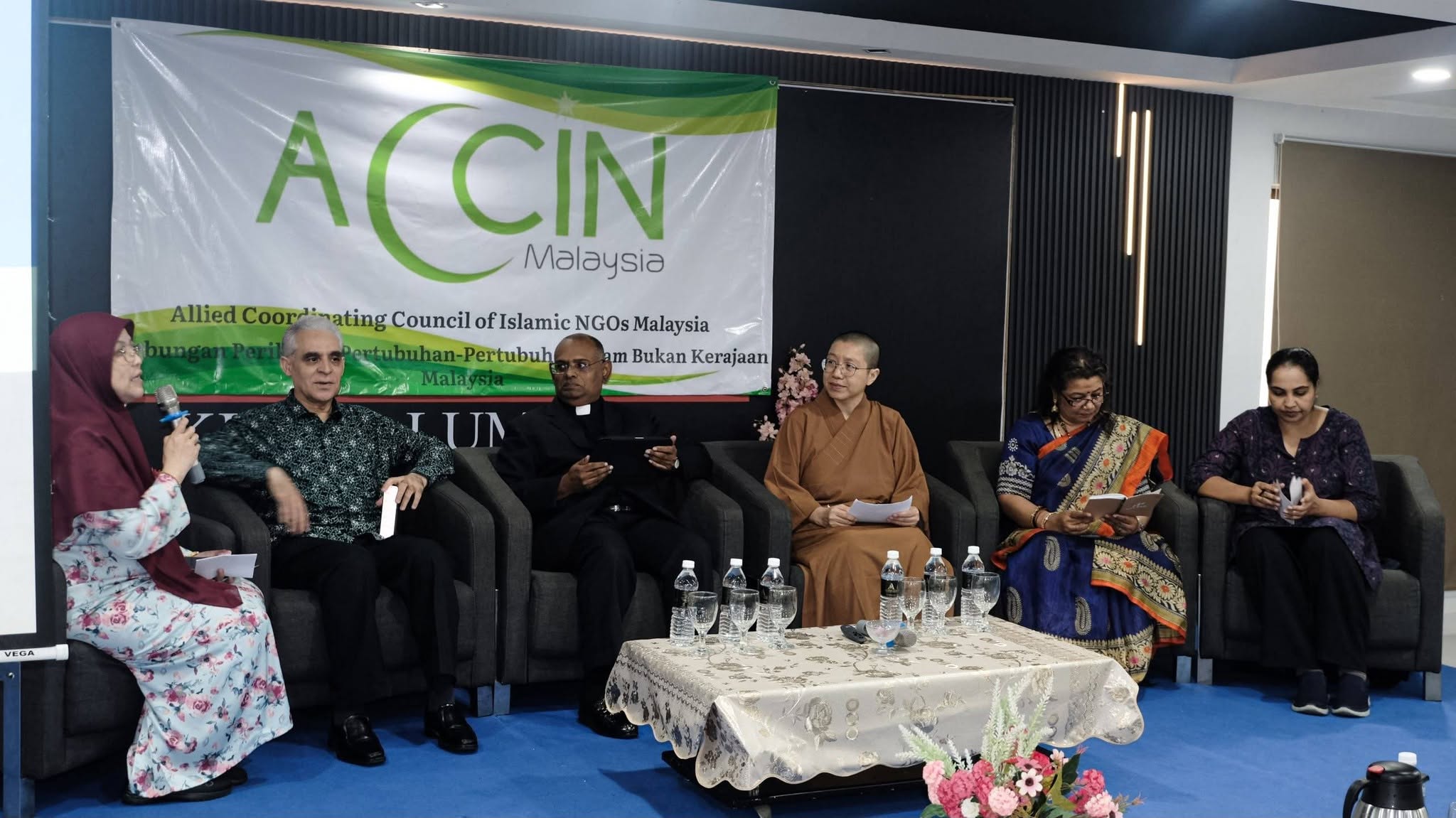
RESOLUTION, CALL TO ACTION & COMMUNITY COMMITMENT
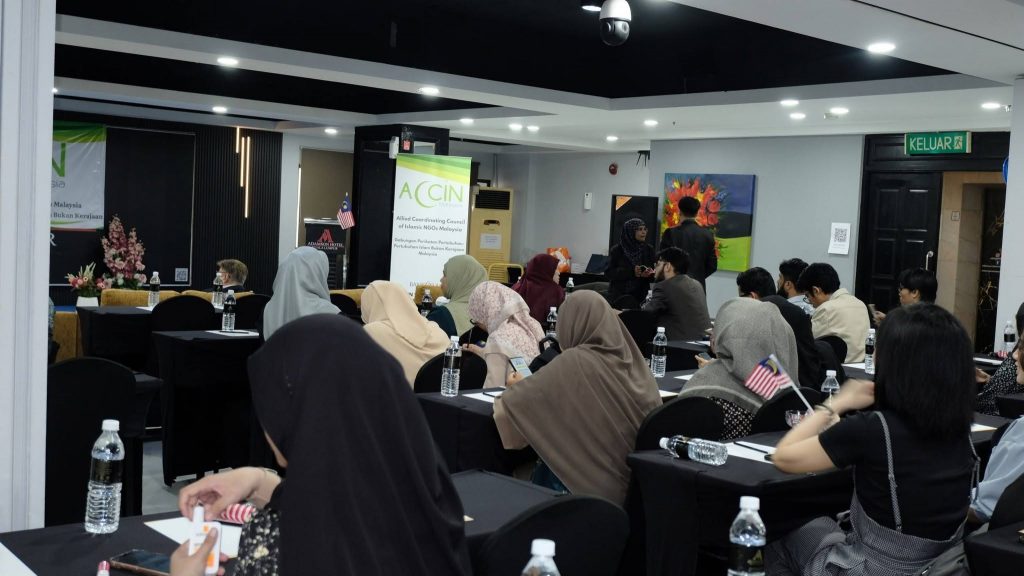
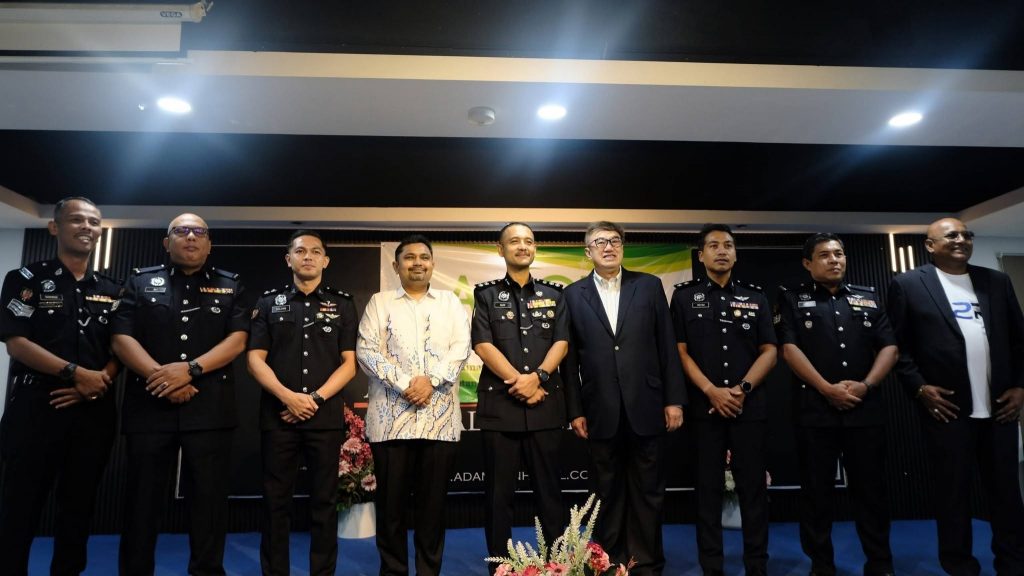
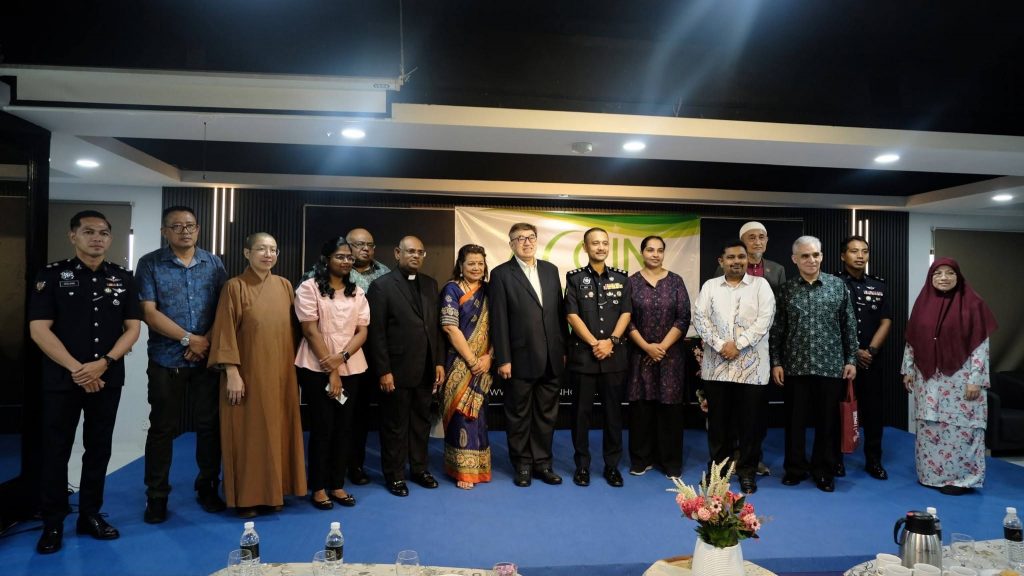
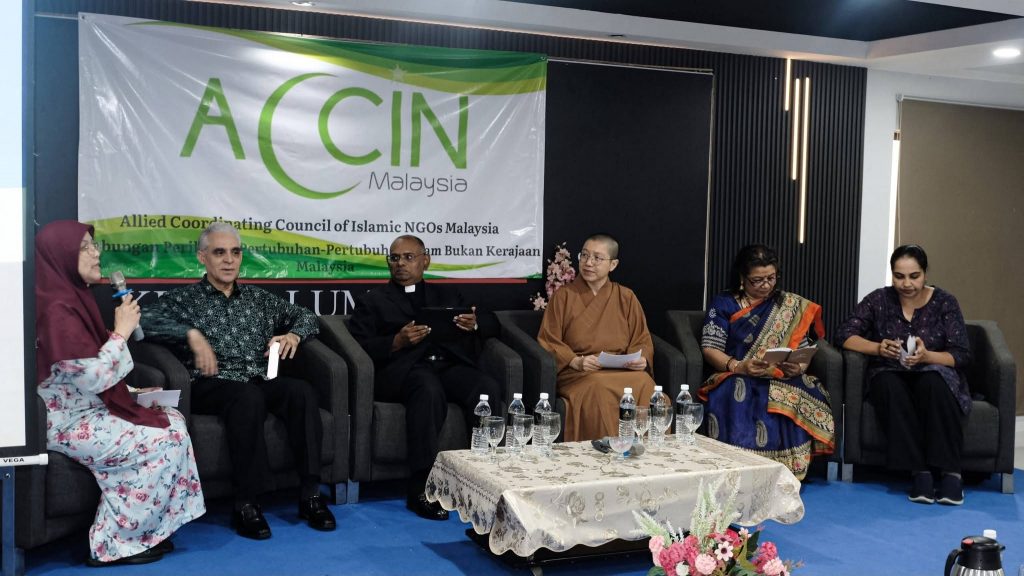
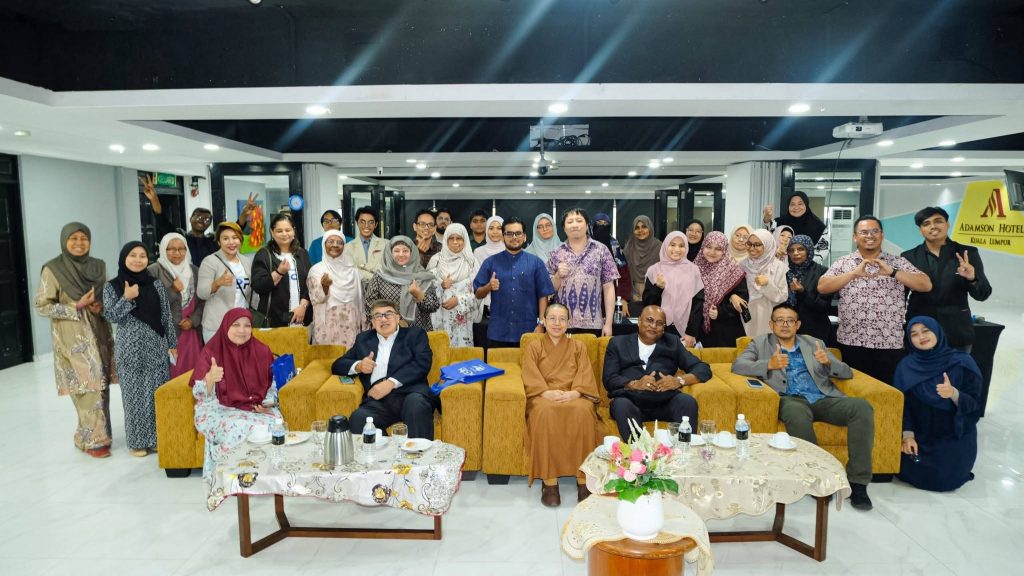
Adopted Saturday, 22 August 2026 — Adamson Hotel, Kuala Lumpur
We, the religious leaders, scholars, medical professionals, NGO practitioners, government representatives, and members of the public gathered at this Symposium, having examined the evidence on alcohol- and substance-related harm in Malaysia, and having heard testimony on its cost to individuals, families, and communities of every faith, do hereby adopt the following Resolution:
PART I — FINDINGS OF FACT
1. Road Safety and Drink-Driving
Malaysia recorded 6,537 road fatalities in 2025, of which 13 were attributed specifically to alcohol-impaired driving — a rate that has held roughly steady in recent years (14 in 2022, 13 in 2023, 12 in 2024). Every one of these deaths was preventable, and drink-driving remains an act of moral and criminal negligence that our institutions cannot excuse or normalise. [1][2]
The trend is worsening when drug impairment is counted alongside alcohol: 48 accidents in the first five months of 2026 alone caused 24 deaths and 912 arrests — already on pace to exceed the whole of 2024 and 2023 combined. [3] Separately, police (JSPT) records show 120 fatal DUI crashes nationwide between 2023 and June 2026, and Op Mabuk enforcement operations more than doubled in the first half of 2026 compared with the same period in 2025. [4][5]
*(Note: figures on “alcohol-only” fatalities and “alcohol-and-drug” fatalities come from
two different official data series and should not be added together.)*
Kuala Lumpur, Johor, Selangor, Sabah, and Sarawak recorded the highest numbers of drink-driving arrests nationwide — confirming this is a national crisis, not one confined to any single state or faith community. [6]
2. Sabah, Sarawak, and the Festive Season
Sarawak recorded 5,609 road accidents in the first quarter of 2026 alone, including 99 fatal accidents and 107 deaths. The Miri Division saw fatal crashes rise roughly 30 percent ahead of Gawai Dayak, prompting state authorities to warn against drink-driving
during the festive travel season and to call for sober designated drivers. [7][8]
This Symposium echoes that call and extends it to every festive season in Malaysia —
Chinese New Year, Deepavali, Christmas, and Hari Raya alike.
This concern is not new: in 2009, healthcare workers, academics, clergy, and people in recovery formed the Intervention Group for Alcohol Misuse under Mercy Malaysia’s Sabah Chapter, precisely to address this harm.
3. Family Breakdown and Domestic Violence The Royal Malaysia Police recorded 5,260 domestic violence cases in 2020 and 4,905 cases between January and October 2021, with 9,015 reports lodged since the start of the MCO period. Intimate partner violence has historically made up more than half of all recorded violence against women in Malaysia. [9][10]
The World Health Organization and peer-reviewed research, including work co-authored by Universiti Kebangsaan Malaysia Medical Centre, confirm alcohol is consistently present in intimate partner violence cases — both as a trigger for aggression and, in documented patterns, as a tool of coercive control. [11][12]
Family breakdown driven by alcohol imposes lasting harm on children’s development and educational outcomes, and perpetuates cycles of poverty and trauma across generations.
PART II — WHAT OUR FAITH TRADITIONS TEACH
This Symposium was convened around a single question: what does religion say about intoxicants? The traditions represented here differ in doctrine, history, and practice — but on this question, we find real and instructive convergence.
Islam
Islamic teaching holds intoxicants to be unequivocally prohibited. The Qur’an addresses the matter in stages, culminating in a clear prohibition, which describes intoxicants as turning people away from remembrance of God and from prayer. The underlying concern is the protection of mind and the intellect — one of the five foundational objectives that Islamic law exists to safeguard, alongside faith, life, lineage, and property. A mind impaired by intoxication cannot fulfil its trust to God, to family, or to community.
Christianity
Christian traditions differ in practice — some counsel total abstinence, others permit moderate use — but converge on a consistent ethic of self-mastery and warning against drunkenness. The Bible repeatedly cautions against excess which describes the body as a temple to be honoured, and church communities across denominations have long treated drunkenness, and its harm to family life, as a matter of pastoral concern rather than private indulgence.
Buddhism
The fifth of the Five Precepts undertaken by lay Buddhists, is to abstain from intoxicants that cloud the mind and an awareness of real-world consequences of alcoholism which therefore means setting clear boundaries and personal responsibility. The precept is about the clarity of mind with protective sobriety to choose what promotes wellbeing and abandoning what causes harm.
Hinduism
Hindu textual and ethical tradition, while historically diverse in regional practice, broadly counsels self-restraint and warns against the loss of self-control, discernment and reason that intoxication brings. There is prohibition against intoxicants in the Puranas as intoxicants can bring about destruction of marriages, family and loss of spiritual merit.
Sikhism
Sikhism explicitly prohibits the consumption of intoxicants. A Sikh is encouraged to remain conscious of thoughts, actions and responsibilities and have self-control. Sikhism repeatedly counsels against the disorientation intoxication brings to a mind that should be fixed on truthful living and service to family and community.
Points of Convergence
Despite real differences in doctrine and permissibility, every faith represented at this Symposium converges on three points: that intoxication erodes the self-control a person owes to their own conscience; that it endangers the family, which every tradition treats as sacred and worth protecting; and that communal responsibility — not private indulgence, and not private shame — is the right response to this harm. Interfaith cooperation on this issue strengthens, rather than dilutes, each faith group’s own moral witness, and gives Malaysia a platform grounded in shared values rather than sectarian division.
PART III — CALL TO ACTION
To the Federal and State Governments:
1) Strengthen enforcement of the Road Transport Act 1987, with year-round (not only festive-season) Op Mabuk operations, and mandatory rehabilitation — not fines alone — for repeat drink-driving convictions.
2) Study Singapore’s tiered, swift-enforcement model and adapt elements compatible with Malaysian law.
3) Fund targeted anti-drink-driving campaigns in in the country and especially in Sabah and Sarawak, in partnership with longhouse, kampung, church, and temple leadership.
4) Expand Domestic Violence Act 1994 protection infrastructure — shelters, welfare officer capacity, fast-track protection orders — with specific screening for alcohol-related cases.
To Religious Institutions and NGOs:
5) Establish faith-based counselling and rehabilitation referral networks — in mosques, churches, temples, and gurdwaras alike — in partnership with addiction and recovery professionals.
6) Integrate age-appropriate education on intoxicants into youth ministries, madrasah, Sunday school, and university chaplaincy programmes.
7) Train religious leaders and counsellors to recognise alcohol-fuelled domestic violence, responding with compassion for victims and moral clarity toward perpetrators.
To Employers and Community Leaders:
 Adopt workplace policies offering confidential referral for rehabilitation and recovery, not punitive dismissal alone, for employees struggling with dependency.
9) Promote designated-driver and safe-ride norms at every community, corporate, and festive gathering.
To Families and Individuals:
10) Commit personally to sobriety behind the wheel, and to speaking up when a loved one’s drinking becomes harmful.
11) Support, rather than stigmatise, family members and neighbours seeking treatment — recovery is a shared communal responsibility, not a private shame.
PART IV — COMMUNITY COMMITMENT
We, the undersigned participants — Muslim, Christian, Buddhist, Hindu, Sikh, and of every faith and none — commit to carrying this Resolution beyond this hall: to our mosques and churches, our temples and gurdwaras, our workplaces, our kampungs and longhouses, and above all, our own families.
We commit to reporting back to ACCIN and its partner bodies within twelve months on concrete steps taken, and to reconvening to hold one another accountable.
This is not a Muslim issue alone, nor a matter for law enforcement alone. It is a Malaysian issue, a family issue, and a moral issue belonging to every community in this nation.
(Adopted by acclamation of the participants of Symposium 2.0: Thumbs Down to Bottoms Up, Adamson Hotel, Kuala Lumpur, 22 August 2026.)